

The Urge to Splurge (May 2021)
Since going sober, almost eighteen months ago, I’ve noticed that the urges to have a drink come and go in varying degrees. Sometimes it feels like I’m having to actively deal with an urge every day and from early afternoon until bedtime. There are other times when I suddenly realise that I haven’t craved alcohol for a couple of days. Of course there are triggers such as social occasions or an open bottle of red on the side in the kitchen but sometimes it just is what it is – a random urge to have a drink.
An urge is defined as a strong desire or an impulse. Impulsivity is tending to do things suddenly without careful thought. I was recently diagnosed with Bipolar Disorder and one of the features of this illness is impulsivity and it isn’t just present in extreme mood states but also in stable periods. I can look back now and know that I have always been affected by impulsive behaviour. If I make a decision I have to act on it with a sense of urgency, there is a distinct lack of premeditation. I give in to the desire to avoid negative feelings that would come with the disappointment of not getting what I want. I think I must have used the phrase ‘I want….’ a fair bit as a child as it was a great family joke when I was bought a sweatshirt with ‘I want…’ repeated on it!
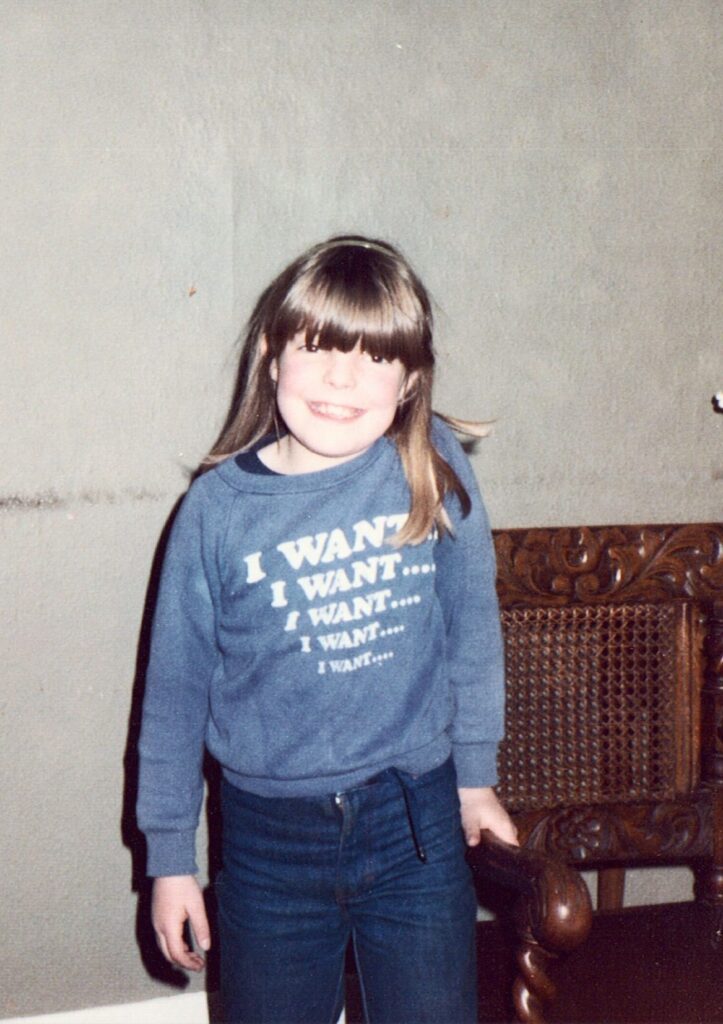
I guess the issue around impulsivity and alcohol isn’t just in the urges to drink but the other urges that come when you’ve had a drink and these inevitably lead to trouble whether it is binge drinking, overspending or risky behaviours. When I gave up alcohol these were in my thoughts. Not only was my drinking sometimes out of control but so was my behaviour when I’d had a drink. The realisation that giving up alcohol would kill these two birds with one stone was blinding. I read this the other day and loved it……’Impulse shows you unicorns…..it feels special and significant but ultimately it’s about illusions’. Generally with Bipolar, when you are ‘up’, you believe in those unicorns.

Alcohol is known to intensify Bipolar Disorder and I definitely noticed this. A binge drink on a hypomanic mood seemed like the best idea in the world. Conversely a slow decline into everyday drinking and being robbed of my daily happiness was sometimes the inevitable pathway into depression. Studies have shown that people with Bipolar have a 60% chance of developing a drinking problem at sometime in their lives. Alcohol alters chemicals in the brain and affects how neurotransmitters function. Now I don’t know what neurotransmitters are but I can grasp that it is showing alcohol is damaging to mental health. Low self esteem is also common in Bipolar and leads to people becoming addicted to substances. If a person has little faith in their own ability to cope with things then alcohol can seem like a good solution, really all you are doing is sabotaging your chances of coping with real life.
The urges that hit me the most when I’m stable or hypomanic are the urge to drink, spend money, take on new projects and develop ideas, talk to people and socialise more. I also have more energy to do these things. It’s really important to try and regulate sleep in Bipolar Disorder and drinking also affects quality of sleep and often reduces hours sleeping if being more sociable as a result. It’s only since giving up alcohol that I have been able to see how my need for sleep reduces naturally when I’m in an elevated state and it’s only very recently that I’ve learnt how important it is to still try and keep to my usual hours of sleep of around 8-9 hours each night.
I feel better knowing more about urges and impulsivity, in fact, in one of the Horizons recovery support groups that I attend weekly, we look at Smart recovery methods and that has included how to reduce urges and how to cope with them. For me, this has been valuable not just for my sobriety but also for managing my mental health.
Urges to drink might be triggered by external things such as other people, places or times of the day. Or by internal triggers such as thoughts, emotions and moods (especially hypomania and depression for me). Here are some ways to cope with urges and manage impulsivity.
- Remind yourself of why you are not drinking – for me, it’s primarily to manage my mental health and because of the medication I take.
- Talk it through with someone.
- Distract yourself.
- Challenge the thought – I often think ‘One wouldn’t hurt’, but actually it would because it would lead to another.
- Ride it out, you know it will pass.
- Leave the situation if it is a place or people triggering you.
- Rehearse the situation.
- Prepare in advance and have an alternative drink.
Sometimes I can recognise that I am acting on impulse but not always. The brain is good at tricking you into making excuses that seem valid. I am trying to learn to ‘Pause and Ponder’ rather than jump straight in. Another helpful tip is to run things past a chosen supporter. This can be about spending money, agreeing to a social engagement, saying ‘yes’ to things and sending messages, emails or posting something on social media. When I’m hypomanic I have so many ideas all at once and I want to act on them all. It’s good to write them all down then filter them into different categories of ‘bin it’, ‘ponder it’ and ‘do it’.
I can see the learning curve ahead of me on all of this, it is another valuable lesson that I’m learning from sobriety. I’m trying to keep active in therapy and attend support meetings to keep my learning progressing. There’s a bit of juggling about of old habits to avoid triggers and I need little reminders sometimes about these still. But also a positive mindset really helps. If I’m sticking with some basic rules like getting enough sleep and not drinking then I’m moving to a place where the unicorns can be admired, said ‘hello’ to and then sent on their way and I can trust in my own abilities. The urge to splurge is real (unlike unicorns) and can be tamed (also unlike unicorns).

Lizzie I so enjoy reading your blogs, you are a true inspiration to anyone that is reading them!